
A Century of Racing in the Goldfields
Our History
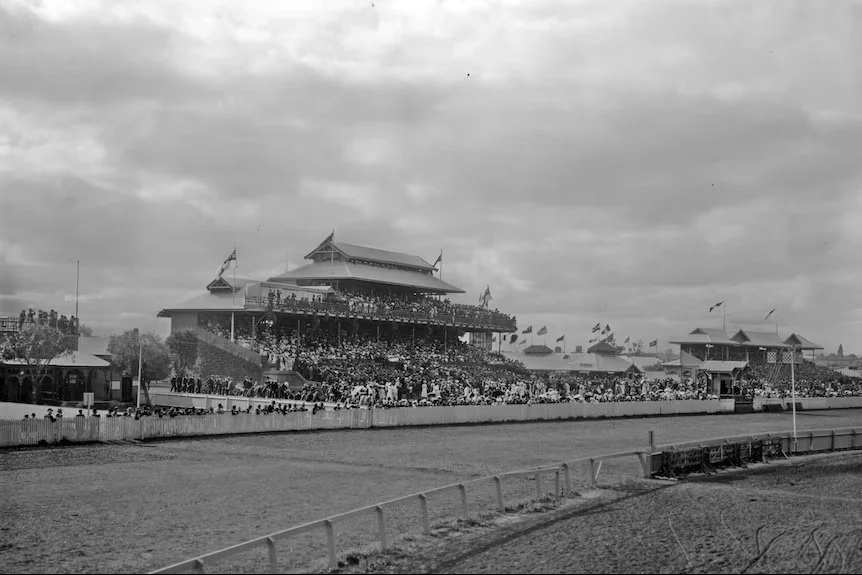
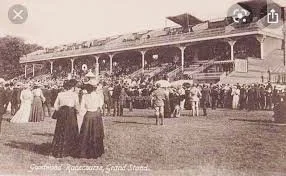
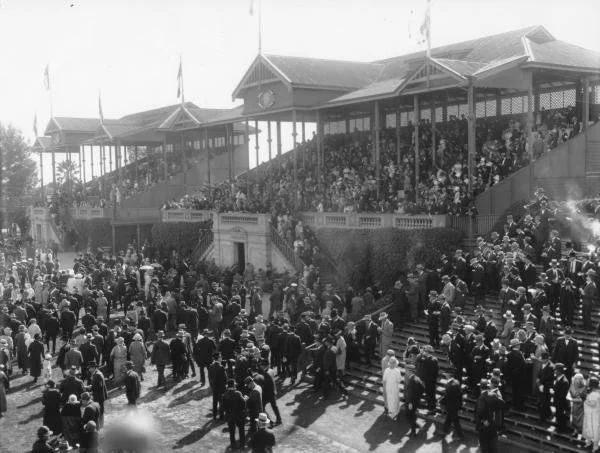
Racing has shaped the Goldfields for over 100 years. What began on rough bush tracks has grown into one of Western Australia’s most enduring sporting traditions.
This is the story of how it all began.
1896
The Birth of Goldfields Racing
The year 1896 is remembered internationally as the birth of the modern Olympic Games in Athens - but here in the Goldfields, it marks something just as significant to our community - the first official race meeting.
Early 1900s
Racing in the Early Days
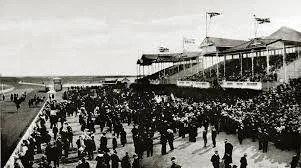
In the early years, racing was spread across numerous makeshift tracks scattered throughout the region. Many of these towns thrived briefly during the gold rush but faded as quickly as they rose. Among all those early tracks, Boulder, Coolgardie and Kalgoorlie - known as the "Big Three" - became the leading centres of racing in the region.
1920s
The Rise of the Race Round
Kalgoorlie-Boulder's famous Race Round takes its name from a tradition in which the Big Three each hosted their own racing carnivals. The clubs alternated dates each year to ensure each town enjoyed the best weather and the strongest crowds.
1914-1918
Coolgardie's Wartime Setback
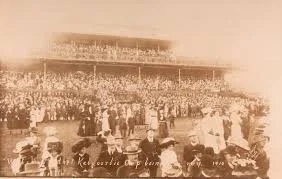
Coolgardie was the first to feel the impact. The outbreak of World War I effectively shut down racing at their track. Although picnic-style meetings continued in the years after, racing would not fully return until 1939.
1939
Coolgardie Cup Revival
With the revival of the Coolgardie Cup, racing truly returned to the region. Despite this revival, by 1943 Coolgardie began running its meetings at the Kalgoorlie track - a practice that continues today. The Coolgardie Club remains a proud and independent racing body.
1942
Boulder Course and World War II
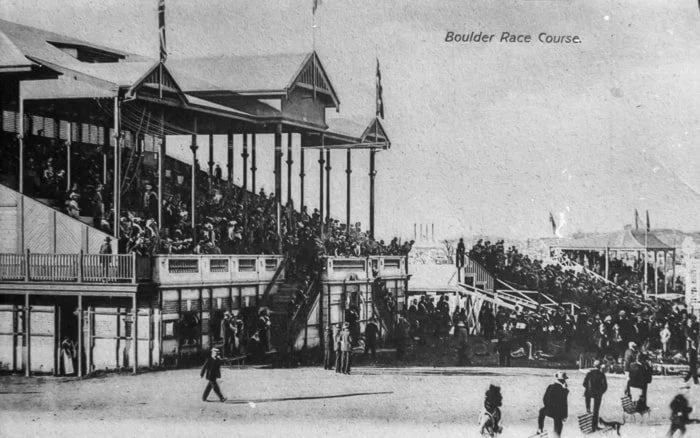
During World War II, the beautiful Boulder Racecourse was requisitioned by the military, forcing the Boulder club to also race at the Kalgoorlie track. History and global events had reshaped the make-up of racing on the Goldfields.
March 1953
The Merger That Shaped the Future
For decades, the Kalgoorlie and Boulder clubs enjoyed a strong rivalry - occasionally producing more than a few differences of opinion. After long deliberation, the two clubs agreed to merge, forming what we now know as the Kalgoorlie-Boulder Racing Club (KBRC).
1954
Committee Established
Initially, the new committee included representatives from both original clubs. By the 1954 annual meeting, it was streamlined to a twelve-member committee, which elected its chairman.
1953-1971
Leadership and Legacy
The first chairman of the newly formed KBRC was Reg "Brusa" Wilson, who served until ill health ended his distinguished contribution in 1971. His leadership helped lay the foundations of the modern club.
Today
A Proud Legacy
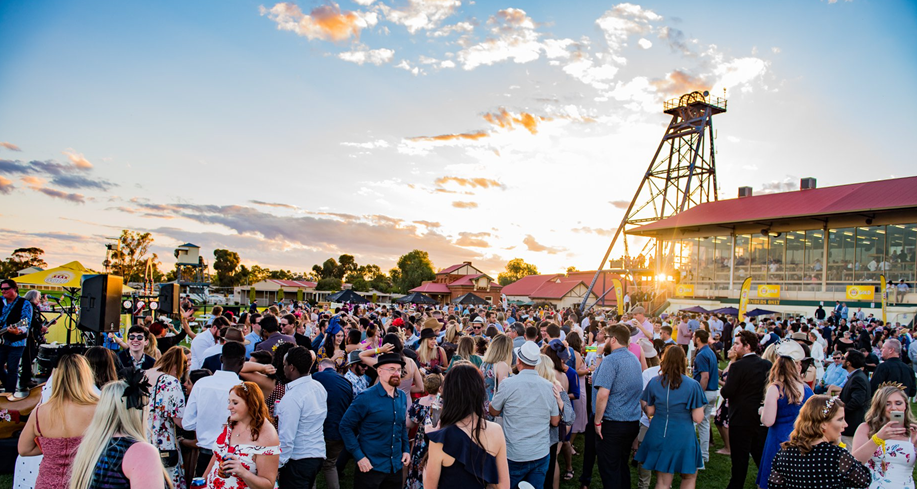
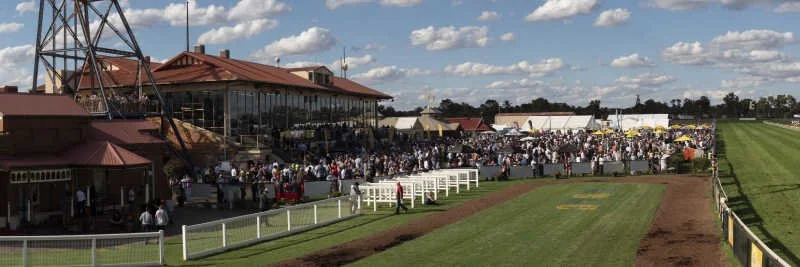
History shows that the vision and determination of those who shaped the Kalgoorlie-Boulder Racing Club created something extraordinary - a club now regarded as one of the finest country racing organisations in Western Australia. From scattered bush tracks to a united racing powerhouse, the KBRC stands as a testament to the resilience, passion and community spirit of the Goldfields.
Our History
Racing has shaped the Goldfields for over 100 years. What began on rough bush tracks has grown into one of Western Australia’s most enduring sporting traditions.
This is the story of how it all began.
1896
The Birth of Goldfields Racing
The year 1896 is remembered internationally as the birth of the modern Olympic Games in Athens - but here in the Goldfields, it marks something just as significant to our community - the first official race meeting.
Early 1900s
Racing in the Early Days
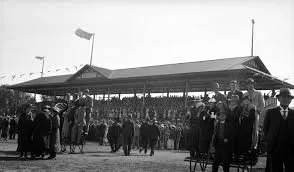
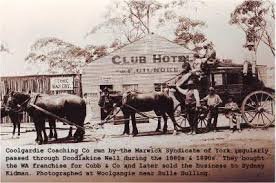
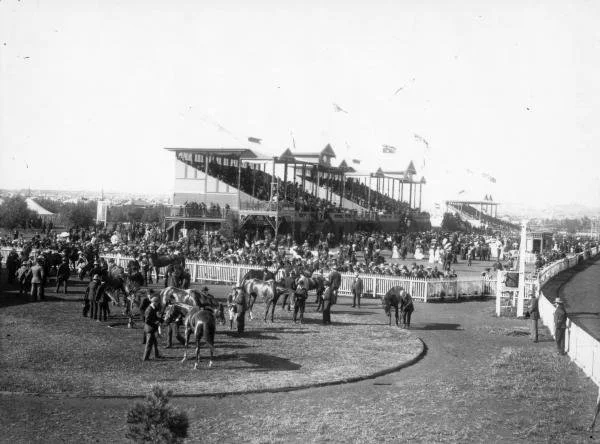
In the early years, racing was spread across numerous makeshift tracks scattered throughout the region. Many of these towns thrived briefly during the gold rush but faded as quickly as they rose. Among all those early tracks, Boulder, Coolgardie and Kalgoorlie - known as the "Big Three" - became the leading centres of racing in the region.
1920s
The Rise of the Race Round
Kalgoorlie-Boulder's famous Race Round takes its name from a tradition in which the Big Three each hosted their own racing carnivals. The clubs alternated dates each year to ensure each town enjoyed the best weather and the strongest crowds.
1914-1918
Coolgardie's Wartime Setback
Coolgardie was the first to feel the impact. The outbreak of World War I effectively shut down racing at their track. Although picnic-style meetings continued in the years after, racing would not fully return until 1939.
1939
Coolgardie Cup Revival
With the revival of the Coolgardie Cup, racing truly returned to the region. Despite this revival, by 1943 Coolgardie began running its meetings at the Kalgoorlie track - a practice that continues today. The Coolgardie Club remains a proud and independent racing body.
1942
Boulder Course and World War II
During World War II, the beautiful Boulder Racecourse was requisitioned by the military, forcing the Boulder club to also race at the Kalgoorlie track. History and global events had reshaped the make-up of racing on the Goldfields.
March 1953
The Merger That Shaped the Future
For decades, the Kalgoorlie and Boulder clubs enjoyed a strong rivalry - occasionally producing more than a few differences of opinion. After long deliberation, the two clubs agreed to merge, forming what we now know as the Kalgoorlie-Boulder Racing Club (KBRC).
1954
Committee Established
Initially, the new committee included representatives from both original clubs. By the 1954 annual meeting, it was streamlined to a twelve-member committee, which elected its chairman.
1953-1971
Leadership and Legacy
The first chairman of the newly formed KBRC was Reg "Brusa" Wilson, who served until ill health ended his distinguished contribution in 1971. His leadership helped lay the foundations of the modern club.
Today
A Proud Legacy
History shows that the vision and determination of those who shaped the Kalgoorlie-Boulder Racing Club created something extraordinary - a club now regarded as one of the finest country racing organisations in Western Australia. From scattered bush tracks to a united racing powerhouse, the KBRC stands as a testament to the resilience, passion and community spirit of the Goldfields.